Are Lilies Toxic to Cats? What Every Pet Owner Should Know
Lilies are some of the most beautiful flowers we sell, and also one of the few that come with a serious warning. Many cat owners are surprised to learn how dangerous lilies are, because the risk is not widely known outside veterinary circles. This guide explains which lilies are toxic, why they are so dangerous for cats, what the symptoms look like, what to do if exposure happens and which flowers are better choices for homes with pets. Please treat this as general information, not veterinary advice. If you are worried about your pet, call your vet right away.
Which lilies are toxic to cats?
Not every flower called a "lily" is a true lily. The dangerous ones belong to two plant groups: Lilium (true lilies) and Hemerocallis (daylilies). Other "lilies" carry different, usually milder risks.
| Plant | Group | Risk to cats |
|---|---|---|
| Easter lily | Lilium | Severe: kidney failure |
| Tiger lily | Lilium | Severe: kidney failure |
| Asiatic lily | Lilium | Severe: kidney failure |
| Oriental lily (stargazer, Casablanca) | Lilium | Severe: kidney failure |
| Daylily | Hemerocallis | Severe: kidney failure |
| Calla lily | Zantedeschia (not a true lily) | Mouth irritation, drooling, vomiting |
| Peace lily | Spathiphyllum (not a true lily) | Mouth irritation, drooling, vomiting |
| Lily of the valley | Convallaria (not a true lily) | Heart rhythm problems, serious |
| Peruvian lily (alstroemeria) | Alstroemeria | Generally mild, possible stomach upset |
Lily of the valley deserves its own mention: it is not a true lily, but it contains compounds that affect the heart, and it is dangerous for both cats and dogs. Treat it as unsafe in any home with pets.
Why lilies are so dangerous for cats
Veterinarians have not yet identified the exact toxin in true lilies, but the effect is well documented: it damages the cells of a cat's kidneys. Cats appear to be uniquely sensitive. Very small exposures can be enough to cause harm, including:
- Chewing part of a single leaf or petal.
- Licking pollen that brushed onto their fur or paws.
- Drinking water from the vase.
- Playing with fallen petals or leaves.
Because cats groom constantly, a little pollen on the fur is a real risk. A cat does not have to "eat" the lily to be exposed.
Symptoms of lily poisoning in cats
Symptoms usually appear in stages. Early signs can show up within a few hours, and kidney damage can develop over 1 to 3 days.
Early signs (0 to 12 hours)
- Vomiting
- Drooling
- Loss of appetite
- Lethargy or hiding
Later signs (12 hours to 3 days)
- Increased or decreased urination
- Dehydration
- Continued vomiting and weakness
- Signs of kidney failure, which can become life-threatening
Early symptoms sometimes fade for a while before kidney problems appear, which can give a false sense that the cat has recovered. Do not wait to see if symptoms pass.
What to do if your cat touched a lily
- Remove the cat from the lilies and take the flowers out of the room.
- Call your veterinarian or an emergency vet immediately. You can also call an animal poison control hotline such as the ASPCA Animal Poison Control Center or Pet Poison Helpline (consultation fees may apply).
- Do not try home remedies. Do not induce vomiting unless a veterinarian tells you to.
- Bring a sample or photo of the plant so the vet can confirm what it is.
- Gently wipe pollen off fur with a damp cloth if you can do so safely, so the cat does not lick more.
Treatment is most effective when it starts early, often within the first several hours. Veterinarians typically use decontamination and IV fluids to protect the kidneys. Time matters more than anything else.

Are lilies dangerous to dogs?
True lilies are not known to cause kidney failure in dogs. A dog that eats lily parts may get an upset stomach, with vomiting or diarrhea. Lily of the valley is the exception: it can affect a dog's heart and needs urgent veterinary attention. Calla and peace lilies can irritate a dog's mouth. If your dog eats any plant and seems unwell, call your vet.
Safer flowers for homes with cats
If you are sending flowers to someone with a cat, or you have one yourself, these flowers are widely listed as non-toxic to cats and dogs:
| Flower | Why it is a good alternative | Good for |
|---|---|---|
| Roses | Classic, available in every color | Romance, birthdays, sympathy |
| Sunflowers | Bright, cheerful, long-lasting | Get well, thank you, Thanksgiving |
| Gerbera daisies | Playful color, low scent | Birthdays, office gifts |
| Phalaenopsis orchids | Elegant, blooms for months | Housewarming, sympathy, corporate |
| Snapdragons | Tall, colorful, garden feel | Mixed bouquets |
| Freesia | Sweet scent, delicate look | Spring bouquets, thank you |
| Lisianthus | Rose-like, soft and long-lasting | Weddings, sympathy |
"Non-toxic" does not mean a pet should eat them. Rose thorns can hurt, and any plant material can upset a sensitive stomach. Keep vases somewhere stable and out of reach. For a longer list, see our guide to pet-safe flowers for cats.

Flowers to avoid in a home with cats
- True lilies and daylilies (all types)
- Lily of the valley
- Tulips and hyacinths (most toxic in the bulb, but stems and leaves can upset stomachs)
- Daffodils
- Chrysanthemums (mild to moderate stomach and skin irritation)
- Carnations (mild stomach upset)
- Hydrangeas (stomach upset)
- Azaleas
Some of these, like carnations and chrysanthemums, cause milder symptoms than lilies. Still, if a pet is a known plant chewer, it is wise to skip them.
Sending flowers to a cat owner: etiquette
Holiday season is when lily exposures tend to rise, because lilies show up in many Thanksgiving, Christmas and Easter arrangements. With Thanksgiving on Thursday, November 26, 2026, and the winter holidays close behind, a few simple habits keep gifts safe:
- Ask or check first. If you are not sure whether the recipient has a cat, a quick look at their social media or a friendly question solves it.
- Tell your florist. At FlowerEase, add "no lilies, cat in the home" in the order notes, and we will design around it.
- Be careful with mixed bouquets. Many fall and holiday arrangements include lilies as a focal flower. Read the description.
- Choose plants wisely. Orchids are a great pet-friendlier plant gift; Easter lilies and peace lilies are not ideal for cat households.
- Bring a pet-safe hostess gift. For Thanksgiving or Friendsgiving, a sunflower or rose arrangement is a safer bet than lilies.
If you love lilies and have a cat
The safest answer is honest: do not keep true lilies indoors with cats. Keeping them on a high shelf is not enough, because pollen drifts and petals fall. If you love the look, consider:
- Enjoying lilies at work or in a home without cats.
- Choosing white roses or lisianthus for a similar elegant, white look.
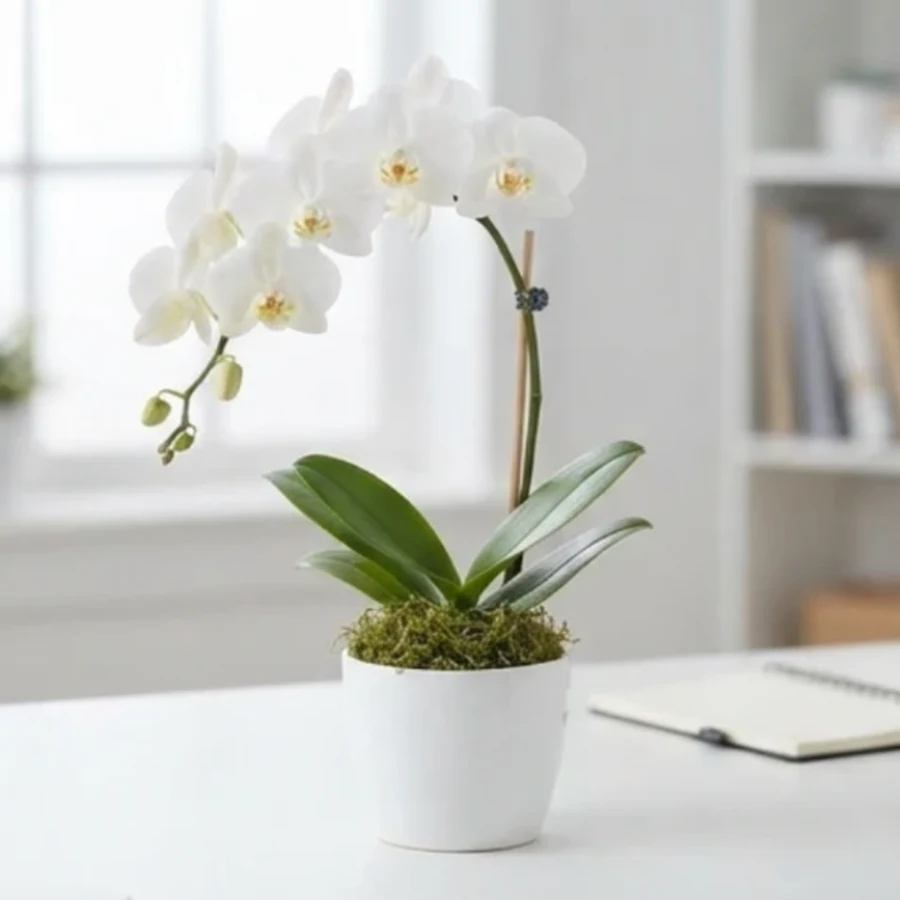
- Choosing white orchids for a lily-like, long-lasting display.
- Admiring lilies in an outdoor garden your cat cannot access.
Making your home safer during the holidays
The holiday season brings more flowers into homes than any other time of year, from Thanksgiving centerpieces to Christmas arrangements and New Year's bouquets. A few household habits help keep cats safe:
- Check every arrangement that comes in. Gifts from friends, coworkers and neighbors may include lilies. Look for large trumpet or star-shaped blooms and long stamens.
- Re-gift or relocate lilies. If a lily bouquet arrives, move it to a room your cat cannot enter, take it to work or pass it on to a pet-free friend.
- Dispose of fallen petals and leaves right away. Cats are drawn to things that move or drop on the floor.
- Empty and rinse the vase after lilies are removed, since the water itself is a risk.
- Tell guests. If friends ask what to bring, a quick "no lilies, we have a cat" saves an awkward moment.
- Keep the vet's number handy. Save your vet, the nearest emergency animal hospital and a poison hotline in your phone before the holidays.
None of this means giving up beautiful flowers. Roses, sunflowers, orchids and gerberas fill a holiday table just as well, and with them you can enjoy the season without worrying every time your cat walks past the vase.
How FlowerEase handles lilies
We love lilies and sell them every day. To keep homes safe, we:
- Remove pollen anthers from open blooms before delivery.
- Clearly label lily arrangements on our site.
- Design lily-free alternatives on request at no extra charge.
- Include a care note that mentions cats with lily orders.
If you are sending lilies to a home without pets, see our guide on lily meaning by color and our lily care routine to make them last.
Frequently asked questions
What if I am not sure the flower was a lily?
Take a clear photo of the bloom, leaves and stem and call your vet. It is far better to check and learn it was harmless than to wait.
Can a cat be around lilies if they never touch them?
It is not worth the risk. Pollen drifts, petals drop and cats explore when nobody is watching. Vets generally advise keeping true lilies out of homes with cats entirely, not just out of reach.
Are dried lilies safe?
No. Dried petals, leaves and pollen are still considered toxic to cats.
How much lily is toxic to a cat?
Very small amounts can be dangerous, including a bit of a leaf, pollen licked from fur or vase water. Treat any exposure as an emergency.
Is removing the pollen enough to make lilies safe?
No. It reduces the risk of pollen on fur, but petals, leaves, stems and water are still toxic.
Are calla lilies safe for cats?
Calla lilies are not true lilies and do not cause kidney failure, but they can irritate the mouth and stomach. They are still best kept out of reach.
What is the best flower to send to someone with a cat?
Roses, sunflowers, gerbera daisies and phalaenopsis orchids are popular choices that are widely listed as non-toxic.
Send a pet-friendlier bouquet
Lilies are lovely, but for homes with cats, there are many beautiful, safer choices. Browse our lily collection for homes without pets, or choose roses and sunflowers for a cat-friendlier gift. Add "no lilies" in your order notes and we will design around it. Order by 2 PM for same-day delivery in Irvine and Orange County.
Read next
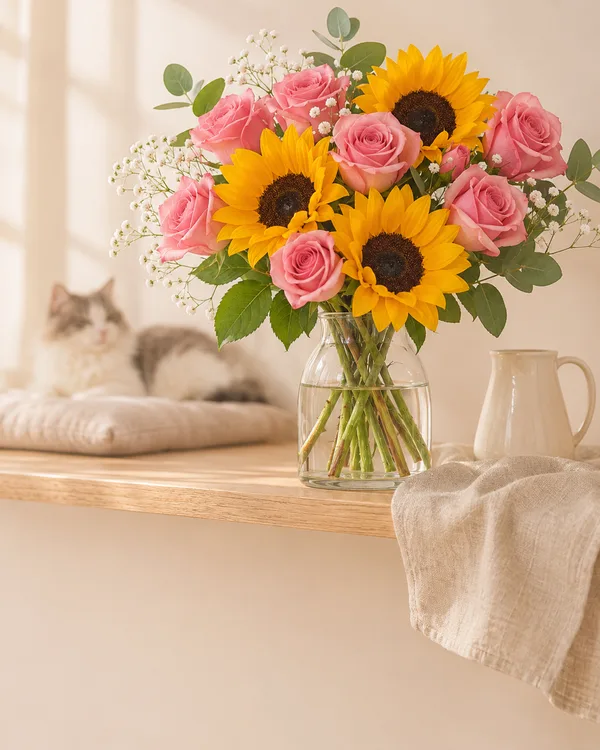
Are Lilies Toxic to Cats? Pet-Safe Flowers to Choose Instead
One lily petal can put a cat in the emergency room. Here is which flowers are truly pet-safe, which common ones are not, what to watch for and what a safe bouquet costs in 2026.
Read the article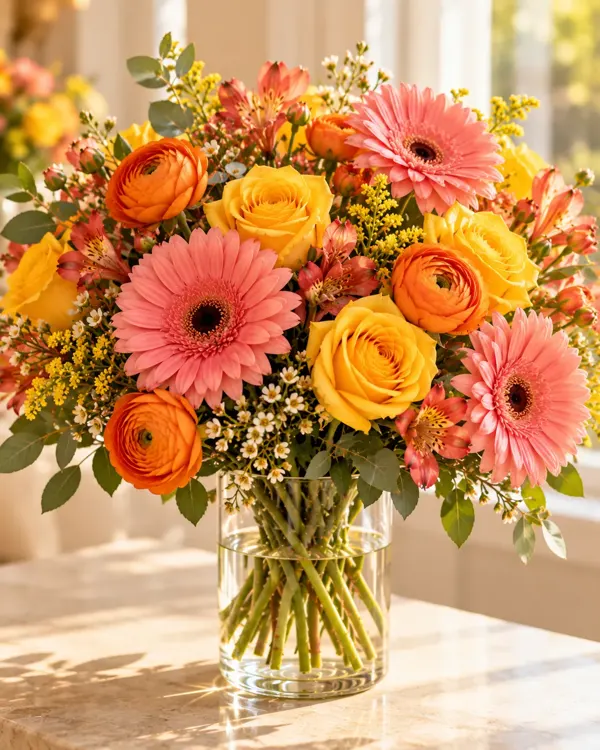
Birthday Flowers: What to Send by Age, Relationship and Birth Month
Which flowers to send for a birthday, how much to spend for a mom, partner or coworker, and the birth month flower for every month of the year.
Read the article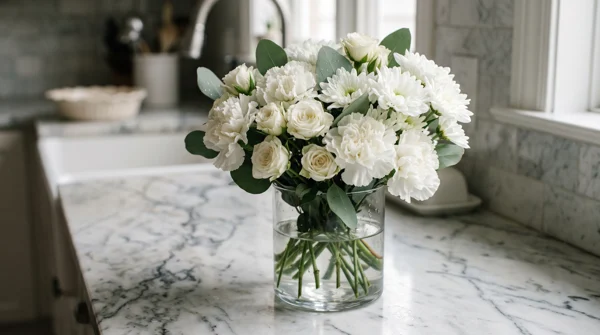
Cheap Flowers That Still Look Expensive: A Florist's Tricks
How florists make budget flowers look high-end: the best inexpensive blooms, the one-color trick, smart vase choices and the mistakes that make bouquets look cheap.
Read the article