Are Lilies Toxic to Cats? Pet-Safe Flowers to Choose Instead
A cat does not have to eat a lily to get sick. Brushing past the flower, getting pollen on a paw and then licking it clean can be enough. That is why vets call lilies the most dangerous common bouquet flower for cats, and why so many pet owners get this wrong when they receive flowers as a gift.
The good news is that a pet-friendly bouquet is easy to build and looks just as good. This guide explains exactly which lilies are the problem, which flowers are safe, which popular ones are not, what the warning signs look like and how to send flowers to a home with pets without a stressful surprise.
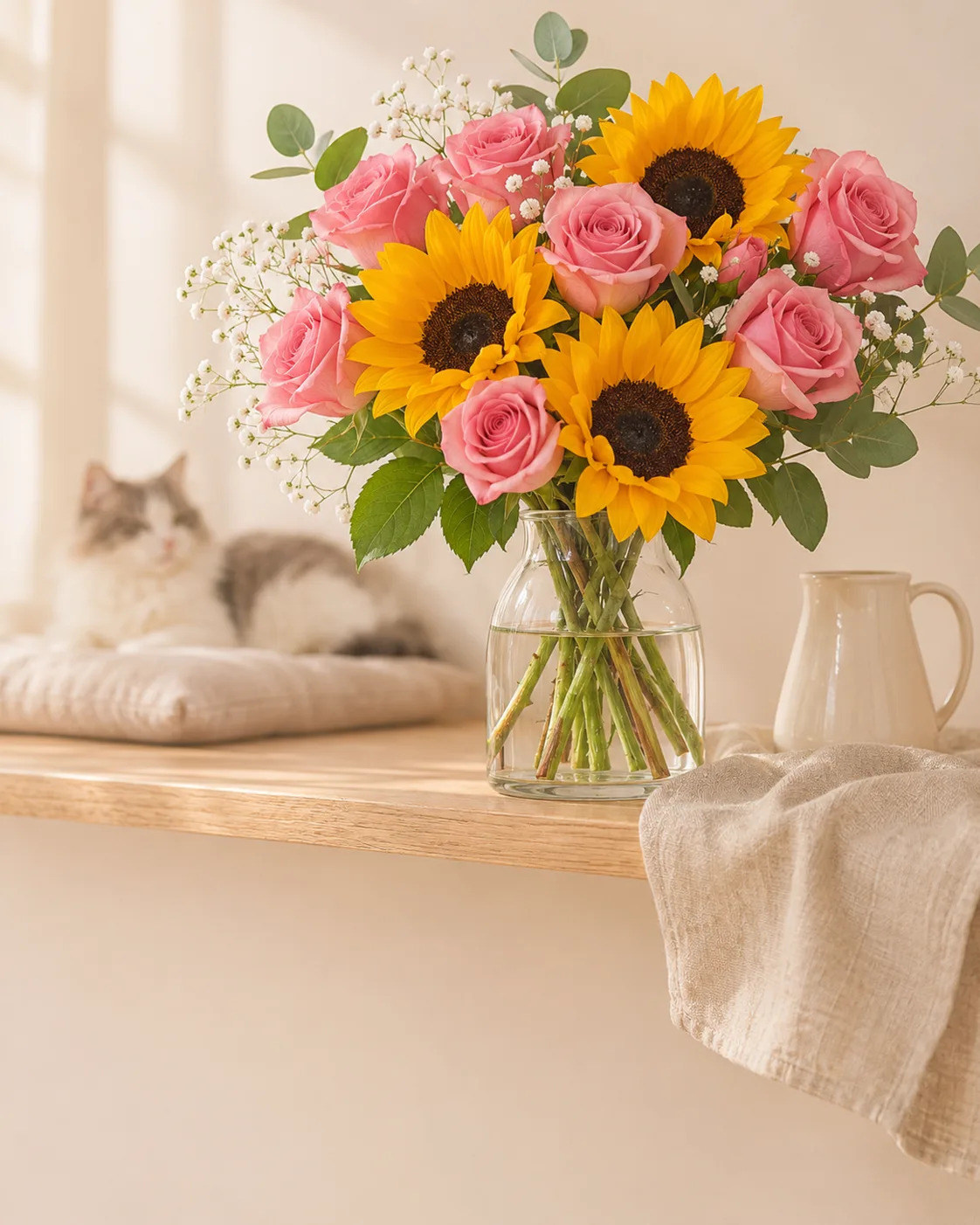
Why lilies are dangerous for cats
The toxin in true lilies has not been fully identified, but its effect is well known: it damages a cat's kidneys. Cats are unusually sensitive to it. Dogs usually get only a mild stomach upset from the same plants, but for cats the risk is serious enough that vets treat any lily exposure as an emergency.
The whole plant counts. Petals, leaves, stems, pollen and the water in the vase are all considered toxic. Pollen is the sneaky one. It drops onto a table or fur, and the cat swallows it while grooming.
Here is the typical timeline vets describe after a cat swallows part of a true lily:
- 0 to 12 hours: vomiting, drooling, less interest in food, tiredness.
- 12 to 24 hours: the cat may seem to recover, but the kidneys are already being harmed.
- 24 to 72 hours: more urination at first, then little or none, which signals kidney failure.
Early treatment makes a big difference. Cats treated within the first several hours, often with fluids and monitoring, have a much better outlook than cats treated after a day or more. Do not wait for symptoms to get worse.
Which lilies are the problem
"Lily" is a confusing word because many unrelated plants carry it. The dangerous ones belong to two groups, true lilies (genus Lilium) and daylilies (genus Hemerocallis). Both can cause kidney failure in cats.
| Flower | Common names | Risk to cats |
|---|---|---|
| Oriental lily | Stargazer, Casa Blanca | Severe, kidney failure |
| Asiatic lily | Tiger lily, Asiatic hybrids | Severe, kidney failure |
| Easter lily | Lilium longiflorum | Severe, kidney failure |
| Daylily | Hemerocallis | Severe, kidney failure |
| Calla lily | Zantedeschia | Mouth and stomach irritation |
| Peace lily | Spathiphyllum | Mouth and stomach irritation |
| Lily of the valley | Convallaria | Heart effects, serious |
Calla lilies and peace lilies are not true lilies. They contain crystals that irritate the mouth and cause drooling and vomiting, which is unpleasant but not the same kidney threat. Lily of the valley is a different danger because it affects the heart. When in doubt, treat any flower with "lily" in its name as off limits around cats and ask your florist what is actually in the bouquet.
Lilies also show up in places people do not expect. A mixed grocery-store bouquet often hides one or two stems inside the greenery, so look through the whole bunch before you bring it home. We also mention lily risk in our guides to birthday flowers and making flowers last longer.
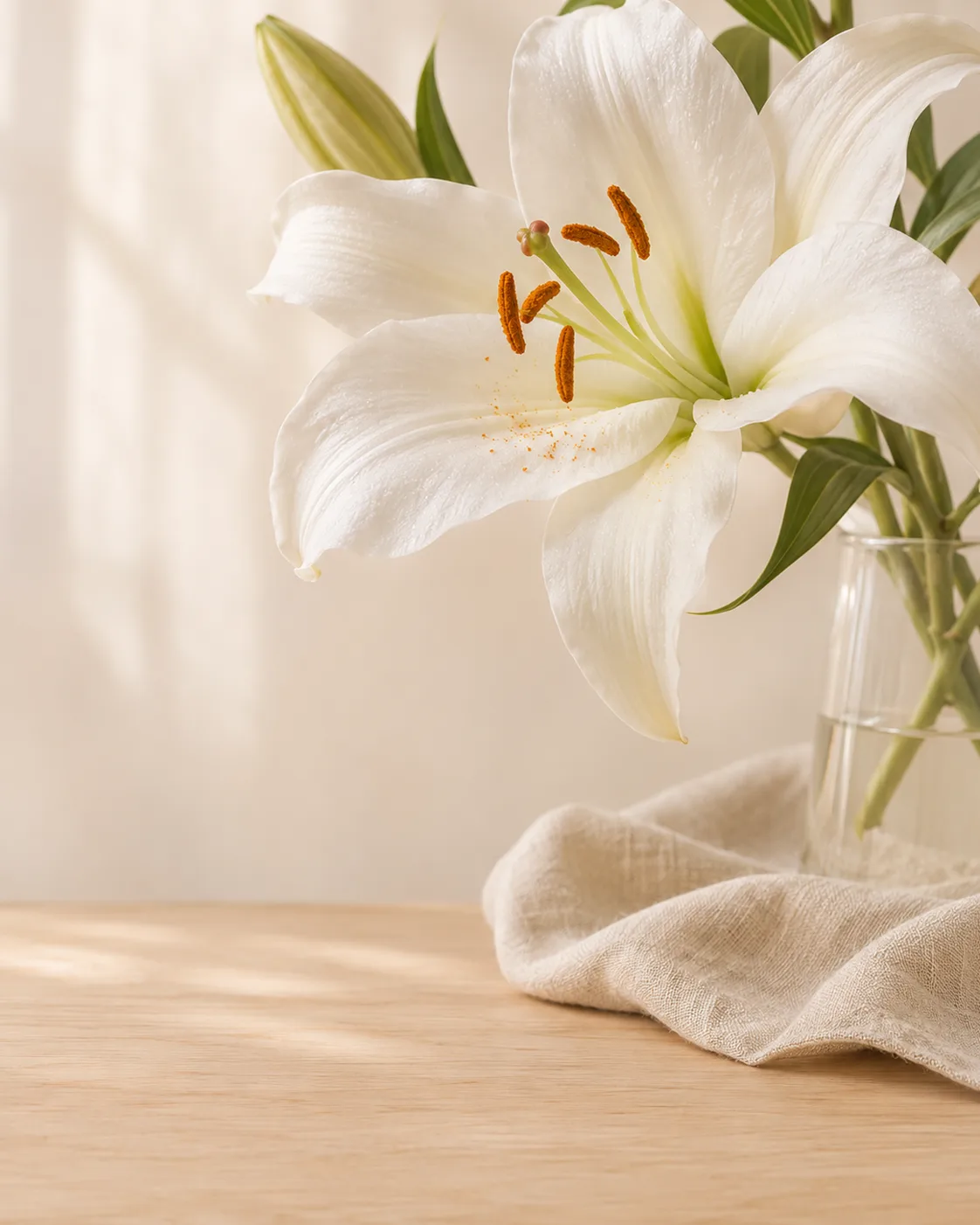
Flowers that are safe for cats
The ASPCA keeps a searchable list of plants that are non-toxic to cats and dogs, and several favorite bouquet flowers are on it. These are the ones florists reach for most when a customer says "pet-friendly."
- Roses: non-toxic. The only hazard is thorns, so remove the lower stems and keep the vase out of reach of a cat that bites.
- Sunflowers: non-toxic, cheerful and long lasting, about 7 to 10 days.
- Snapdragons: non-toxic, tall and good for adding height without lilies.
- Gerbera daisies: non-toxic and available in almost every color.
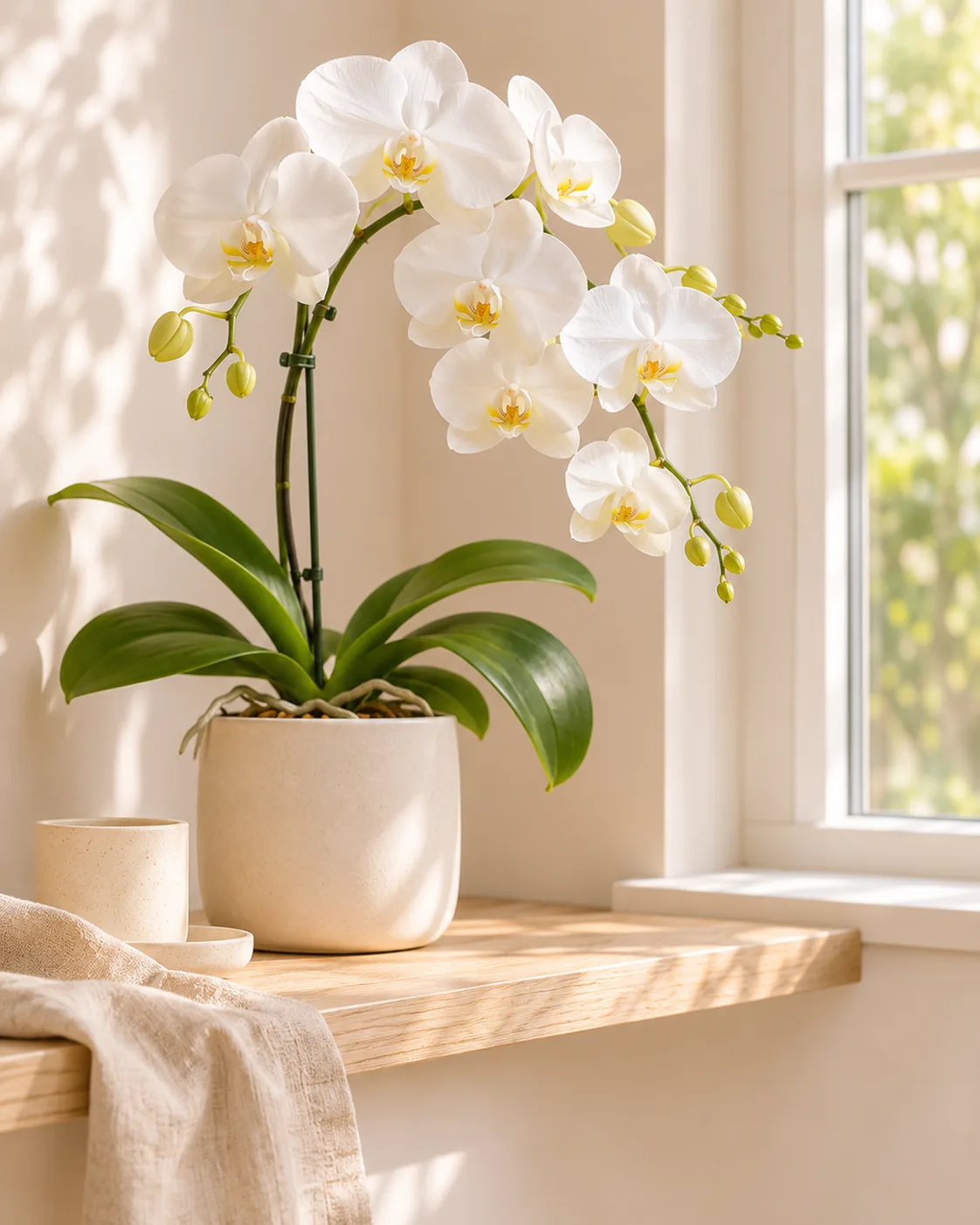
- Orchids: Phalaenopsis orchids are non-toxic and can last two to three months as a plant. Our orchid care myths post covers how to keep one blooming.
- Freesia: non-toxic and strongly scented in a pleasant way.
- Lisianthus: non-toxic and looks like a soft, ruffled rose.
Non-toxic does not mean a cat should eat the bouquet. Any plant matter can cause a mild upset stomach if a cat chews a lot of it, so the safe flower rule is "safe if nibbled, not a snack."
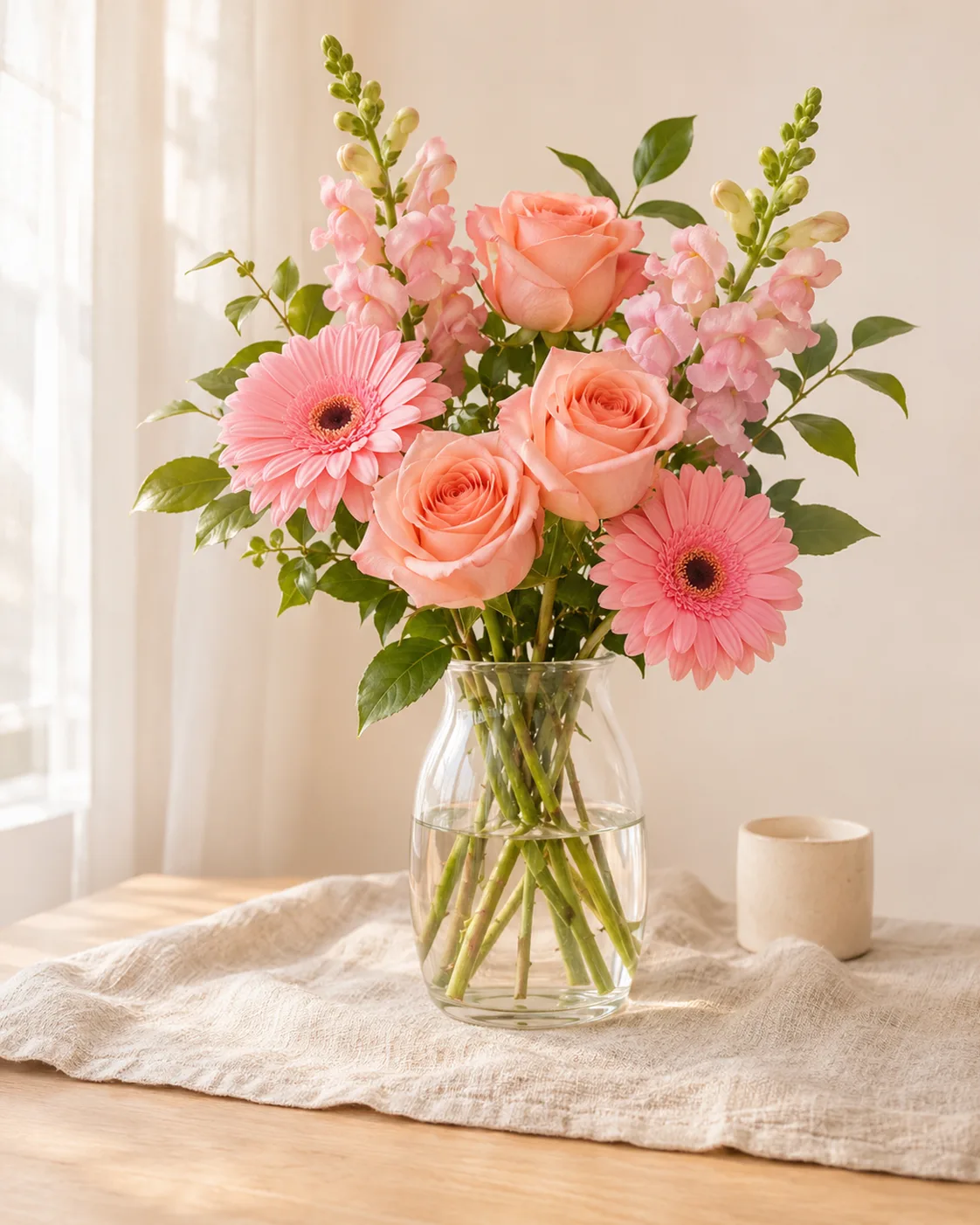
Popular flowers to avoid with pets
Lilies get the attention, but they are not the only problem. Several flowers that show up in everyday bouquets are listed as toxic to cats, dogs or both. The effects range from drooling to heart problems.
| Flower | Why it matters |
|---|---|
| Tulips and daffodils | Bulbs are the most toxic part, but the whole plant can upset the stomach |
| Hyacinth | Bulb causes vomiting and drooling |
| Chrysanthemums | Toxic to cats and dogs, causes vomiting and skin irritation |
| Carnations | Mildly toxic, mainly stomach upset |
| Eucalyptus | Toxic to cats, dogs and horses |
| Hydrangea | Can cause vomiting and tiredness |
| Iris | Causes drooling and vomiting |
| Delphinium and larkspur | Can affect the heart and nerves |
| Foxglove and oleander | Affect the heart, serious |
| Baby's breath | Mildly toxic, stomach upset |
If you want the details on a few of these, we wrote about eucalyptus, chrysanthemums and carnations. Tulips are on the list too, so keep that in mind next spring when you read about tulips versus roses.
Greenery matters as much as flowers. Eucalyptus and ruscus are common fillers, and some florists tuck in leatherleaf or plumosa fern. If you have a pet, ask for plain salal, safe ferns or simply extra rose foliage.
What to do if your cat chews a lily
Act fast and do not wait for symptoms. Here is the order vets generally recommend:
- Remove the plant and keep the cat away from what is left, including the vase water.
- Wipe off pollen if the cat has it on its fur or paws, using a damp cloth, and do not let the cat lick it.
- Call your vet or an emergency clinic right away. Say it was a lily and roughly how much was eaten, even if you are unsure.
- Call a poison hotline if you cannot reach a clinic. The ASPCA Animal Poison Control Center is 888-426-4435 and Pet Poison Helpline is 855-764-7661. Both may charge a consultation fee.
- Do not make the cat vomit at home unless a vet tells you to.
- Bring a sample or photo of the plant so the vet can identify it.
This is general information, not medical advice. Your own vet knows your cat's health and can tell you what is right.
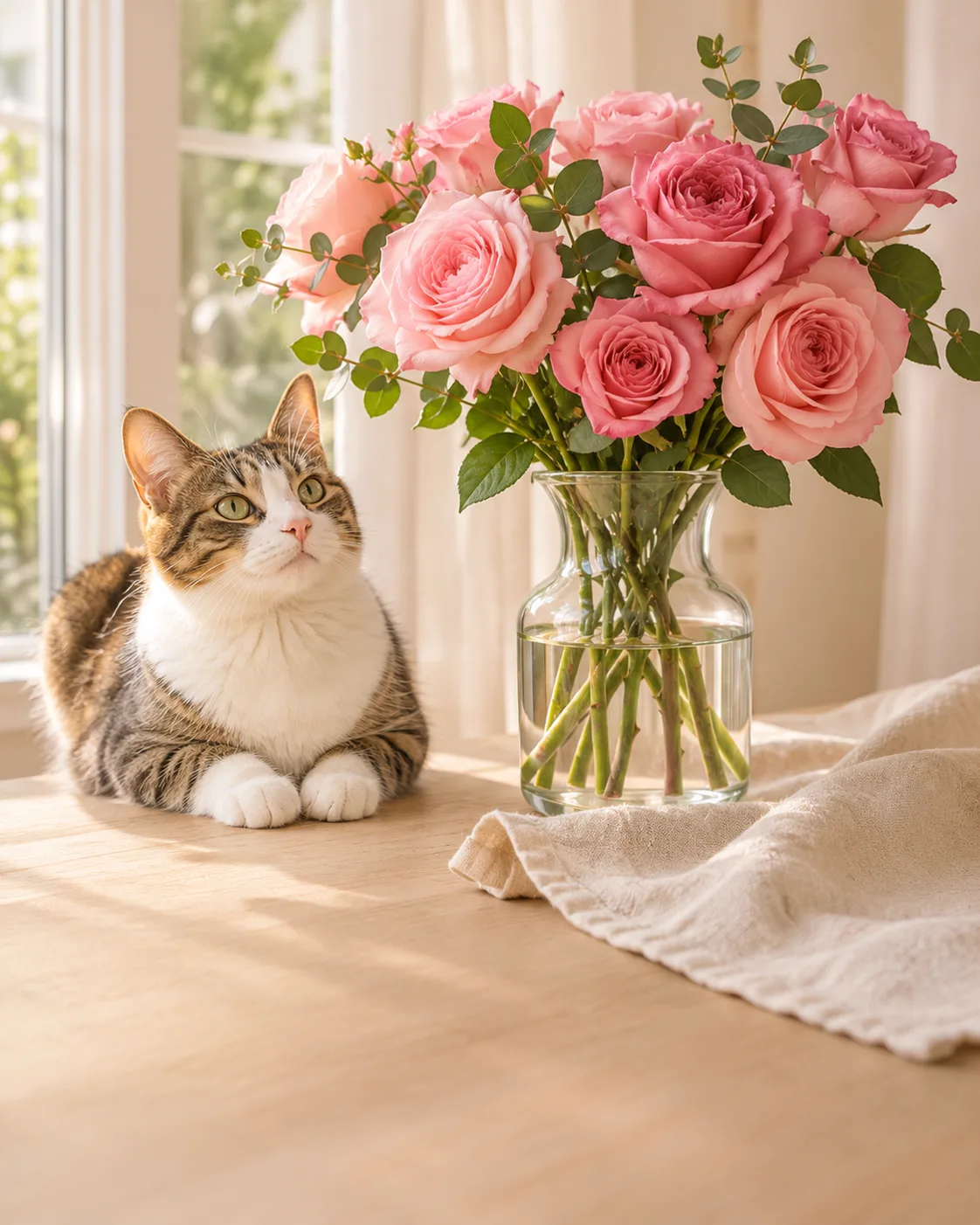
How to keep flowers and cats at peace
Even with safe flowers, a few habits protect both the bouquet and the cat.
- Pick a heavy, stable vase. A wide ceramic vase is harder to tip than a tall glass one.
- Place it up high. A shelf or a mantel works if your cat cannot jump there. A cat that can reach it will eventually test it.
- Trim thorns on roses. A thorn scratch is a bigger risk than the petal itself.
- Change the water every two days. Standing water gets bacteria that can upset a stomach, which is true for any vase.
- Remove fallen petals promptly. A cat may chew them, and they are slippery on hard floors.
- Skip floral preservatives you cannot reach. Keep packets and sprays out of paws.
For dogs, the lily risk is smaller, but the same flowers on the avoid list can still cause trouble. A puppy that chews everything needs the same careful placement.
Sending flowers to a home with pets
The riskiest moment is when someone else chooses the flowers. Many senders have no idea the recipient has a cat. A few simple steps prevent a bad surprise.
- Write "no lilies" in the order notes. It takes five seconds and any good florist will honor it.
- Ask about all greenery. Say "pet-safe greens only" so eucalyptus is left out.
- Consider a plant instead. A Phalaenopsis orchid or a cluster of roses in a heavy pot lasts longer than a cut bouquet.
- If you are the recipient and you get lilies, remove the stems at once, wash your hands and the surface, and put the flowers somewhere the cat can never reach, or give them to a friend without pets.
It is also kind to let friends know in advance. If you have a cat, mention it when someone asks what flowers you like. Most people are grateful for the hint.
What a pet-safe bouquet costs in 2026
Pet-friendly does not mean expensive. Roses, sunflowers and gerberas are among the most affordable flowers at Orange County florists. Typical 2026 prices look like this:
| Bouquet | Typical price |
|---|---|
| Dozen roses, wrapped | $65 to $110 |
| Sunflower bouquet | $45 to $80 |
| Mixed roses, snapdragons and gerberas | $60 to $110 |
| Phalaenopsis orchid plant | $45 to $90 |
| Small bud vase of safe flowers | from $25 |
Delivery usually adds $10 to $20 depending on distance. Same-day delivery is normally available if you order by about 2 PM. If you want a plan for gifting to a cat person every year, our post on never forgetting birthdays and anniversaries shows how reminders take the stress out of it.
Pet-safe flowers FAQ
Are lilies toxic to cats?
Yes, true lilies and daylilies are highly toxic to cats. Petals, leaves, pollen and vase water can all cause kidney failure, so contact a vet right away after any exposure.
Are roses safe for cats?
Yes, roses are on the ASPCA non-toxic list. The main risk is thorns, so trim the lower stems and keep the vase out of easy reach.
What flowers are safe for cats and dogs?
Roses, sunflowers, snapdragons, gerbera daisies, Phalaenopsis orchids, freesia and lisianthus are all considered non-toxic to both. Chewing a lot of any plant can still cause a mild upset stomach.
Are calla lilies and peace lilies as dangerous as true lilies?
No. They are not true lilies and do not cause kidney failure, but they irritate the mouth and stomach, so they are still not a good choice around pets.
How fast do symptoms appear after a cat eats a lily?
Vomiting, drooling and lethargy can start within 0 to 12 hours. Kidney damage can follow in 24 to 72 hours, so treatment should start before signs get serious.
Is lily pollen dangerous if my cat only licks it?
Yes. Pollen on fur or paws gets swallowed during grooming, and even a small amount can be harmful. Wipe it off and call your vet.
Can I still send flowers to a friend who has a cat?
Yes. Ask the florist for "no lilies" and pet-safe greens, or send an orchid plant. A florist will gladly adjust the bouquet.
Where can I check whether a specific flower is safe?
Search the ASPCA's toxic and non-toxic plant database by name, or call a poison hotline. Your own vet can also tell you what is safe for your pet.
The short version
- Every part of a true lily or daylily is toxic to cats, including pollen and vase water.
- Safe choices include roses, sunflowers, snapdragons, gerberas, orchids, freesia and lisianthus.
- Also skip eucalyptus, chrysanthemums, tulips, hyacinth, iris and delphinium around pets.
- If a cat chews a lily, call a vet or poison hotline immediately.
- Gifting to a cat home? Write "no lilies" in the order notes.
- A pet-safe bouquet costs about $45 to $110 in 2026.
A bouquet should make a home happier, not trigger an emergency. FlowerEase is opening soon in Irvine and across Orange County, with same-day delivery in 3-hour windows from a florist near the recipient, a photo of every bouquet before it leaves the shop, reminders for the dates you care about and a freshness guarantee. You can add a "no lilies" note to any order. Until then, browse more guides on the FlowerEase blog or read about same-day flower delivery in Orange County.
Read next
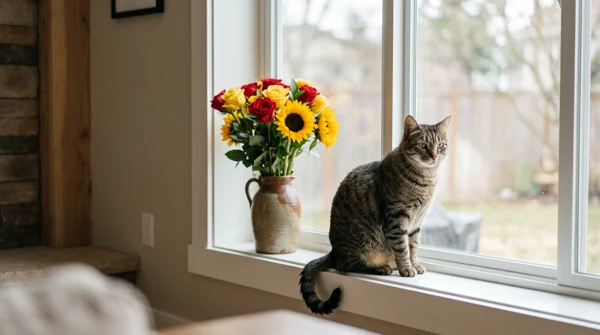
Are Lilies Toxic to Cats? What Every Pet Owner Should Know
Lilies are one of the most dangerous flowers for cats. Which lilies are toxic, the warning signs, what to do right away and safer flowers to send instead.
Read the article
Anniversary Flowers by Year: The Traditional List From 1st to 50th
Every anniversary year has a traditional flower, from carnations at year one to roses at fifteen. Here is the full list, what each flower means, how long it lasts and what to expect to pay in 2026.
Read the article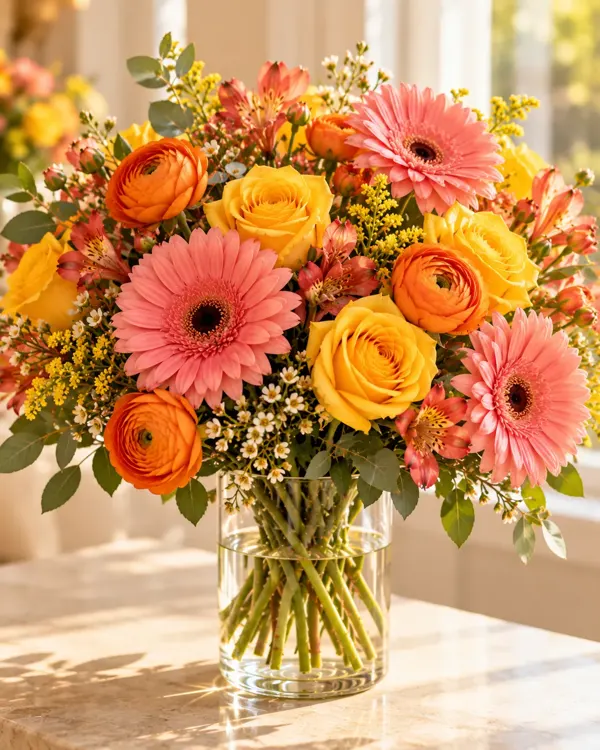
Birthday Flowers: What to Send by Age, Relationship and Birth Month
Which flowers to send for a birthday, how much to spend for a mom, partner or coworker, and the birth month flower for every month of the year.
Read the article