Sympathy Flowers Etiquette: Home, Office or Service?
When someone you know loses a loved one, the instinct to do something is strong. Sympathy flowers are one of the oldest ways to say "I am thinking of you," and they work because they ask nothing of the person receiving them. No reply needed, no visit to host, no call to return.
Still, a few questions come up every time. Where should they go? How soon? Is it too much to send to someone's workplace? What if they have already received a dozen arrangements? This guide answers those questions, so you can send with confidence and without second-guessing.
Sympathy flowers vs funeral flowers
The two are related but not the same. Funeral flowers honor the person who died and go to the service. Sympathy flowers comfort the people left behind and go to the home or, sometimes, the office.
| Sympathy flowers | Funeral flowers | |
|---|---|---|
| Purpose | Comfort the living | Honor the deceased |
| Destination | Home, sometimes office | Funeral home, church, cemetery |
| Size | Small to medium, fits a table | Often large: sprays, wreaths |
| Timing | Days to weeks after the death | Before the service |
| Card tone | Personal and warm | Formal and clearly signed |
For service pieces and who sends what, see our funeral flowers. This article is about everything else.
Where to send: home, office or service
The home (the default)
The home is the right choice for almost everyone: friends, neighbors, extended family and many coworkers. Flowers at home are private. The family can look at them in the quiet moments, read your card again and keep it. Most families say the flowers at home meant more than the ones at the service, because they stayed.
The office
Sending to a workplace makes sense in a few cases: you are a colleague and do not know the home address, the person has returned to work and you want to welcome them back, or the deceased was a coworker and the team is grieving together. Keep office flowers small and low-scent, and consider that some people prefer not to grieve in front of their colleagues. A plant is a good option because it does not need daily care.
The service
If you send to the funeral home or church, your flowers become part of the service and are seen by all guests. That is lovely, but the family may not take every arrangement home. If you want the family to keep something, send a second, smaller piece to the house.
When to send sympathy flowers
| Timing | What it says | Tip |
|---|---|---|
| Day 1 to 3 | "I heard and I am here." | Keep it modest; the house may be crowded |
| Week 1 to 2 | "I am still thinking of you." | The most common window |
| Week 3 to 6 | "You are not forgotten." | Arrives when visitors have stopped coming |
| First holidays | "I know today is hard." | Thanksgiving, Hanukkah, Christmas |
| Anniversary of the death | "I remember too." | Rare and deeply meaningful |
Many people worry about being too late. You almost never are. The first days bring a flood of food, calls and flowers. By week three, the house is quiet and the grief is still there. Flowers that arrive then are noticed.
This year, the calendar adds a reason to act. Thanksgiving is Thursday, November 26, and Hanukkah begins December 4. For a family facing a first holiday without someone, a small bouquet the week before says more than any words at the table.
What size to send
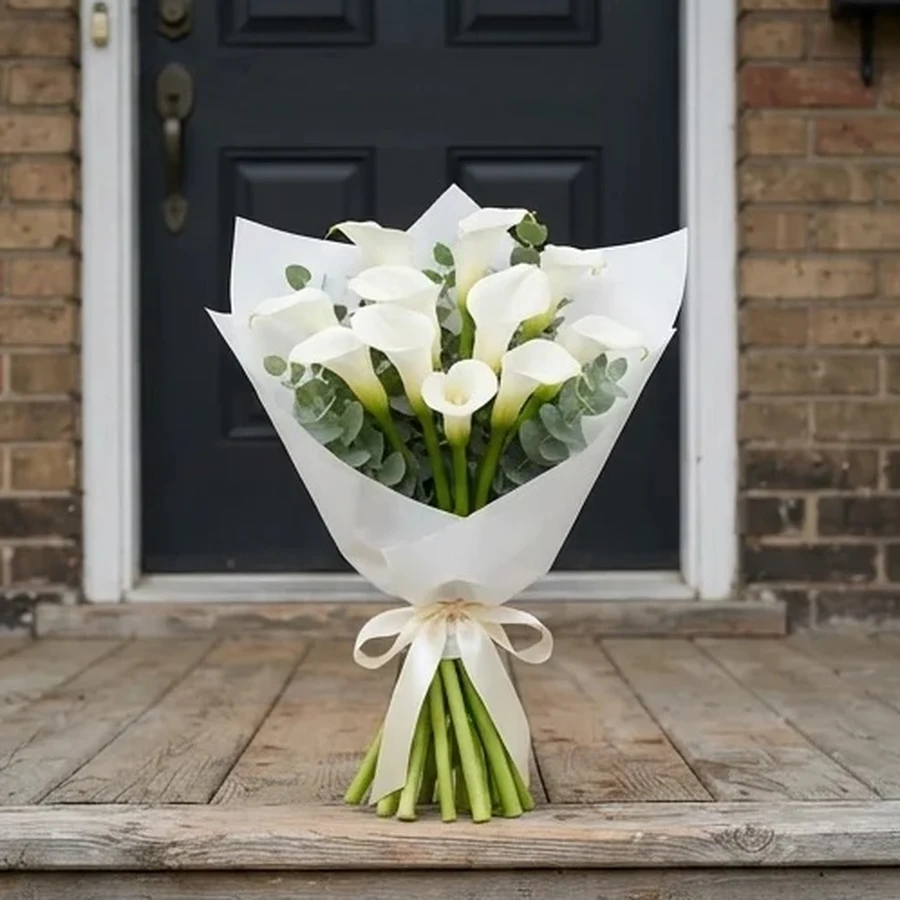
Bigger is not better for sympathy flowers. A family may receive five, ten or twenty arrangements in a week, and space runs out fast. Choose something that fits on a kitchen counter or side table.
- Acquaintance, neighbor, coworker: small bouquet in a vase, $49 to $69.
- Friend or extended family: medium vase arrangement or a dozen roses, $79 to $99.
- Close friend or family: larger arrangement or orchid plant, $99 to $149.
- Group from work: one generous arrangement or plant, $129 to $200.
Always choose a vase arrangement or plant, never a loose wrapped bouquet. A grieving family should not have to search for a vase or trim stems.
Flowers and colors that fit
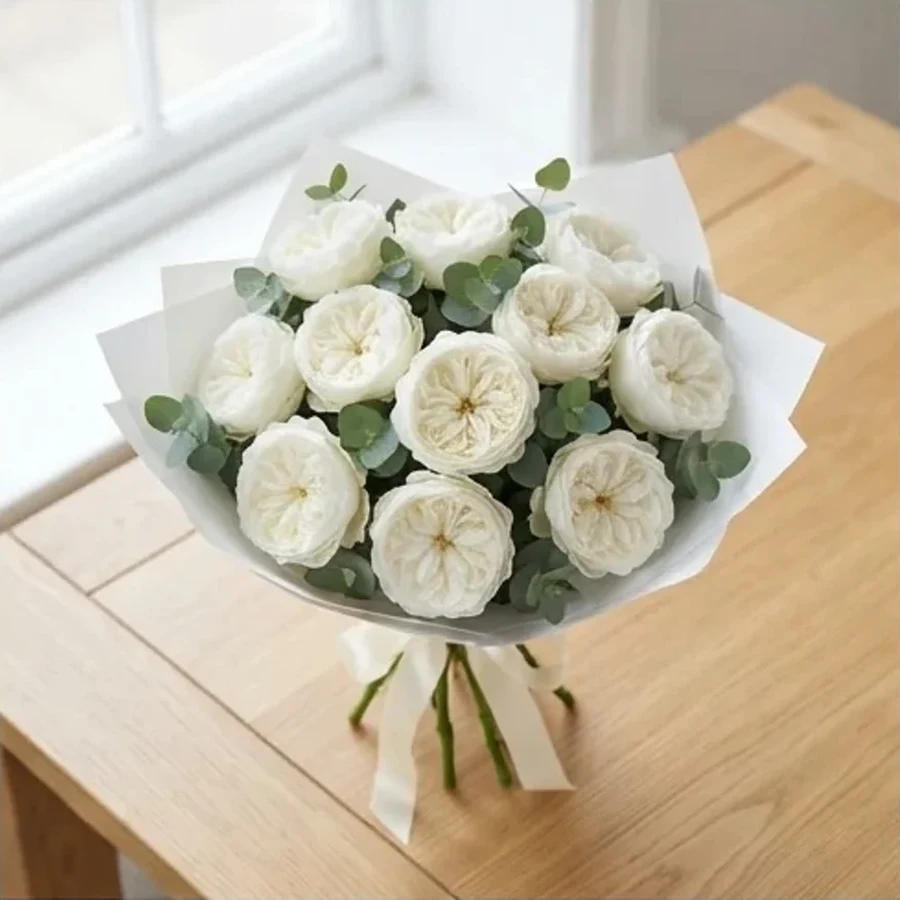
White and soft tones are the safe default. They are calm and do not compete with the mood of the house. But personal beats traditional. If the person who died loved yellow roses, sending yellow roses is a beautiful tribute.
- White roses and lilies: classic, peaceful.
- Orchids: long-lasting, low maintenance, easy to keep for months as a plant.
- Soft pink or lavender: gentle and warm, good for a mother or grandmother.
- Hydrangeas: full and soft, with almost no scent.
- Sunflowers or yellow tones: fitting for a celebration of life or a person known for cheerfulness.
A note on scent: heavily scented lilies can overwhelm a small home that already holds several arrangements. If you know the space is small, ask for a low-scent option. And if the family has cats, avoid true lilies entirely.
Plants vs cut flowers
| Option | Lasts | Care | Best when |
|---|---|---|---|
| Cut flower arrangement | 7 to 10 days | Top up water | You want an immediate, beautiful gesture |
| Orchid plant | Weeks of bloom, years as a plant | Water every 7 to 10 days | The family has received many cut arrangements |
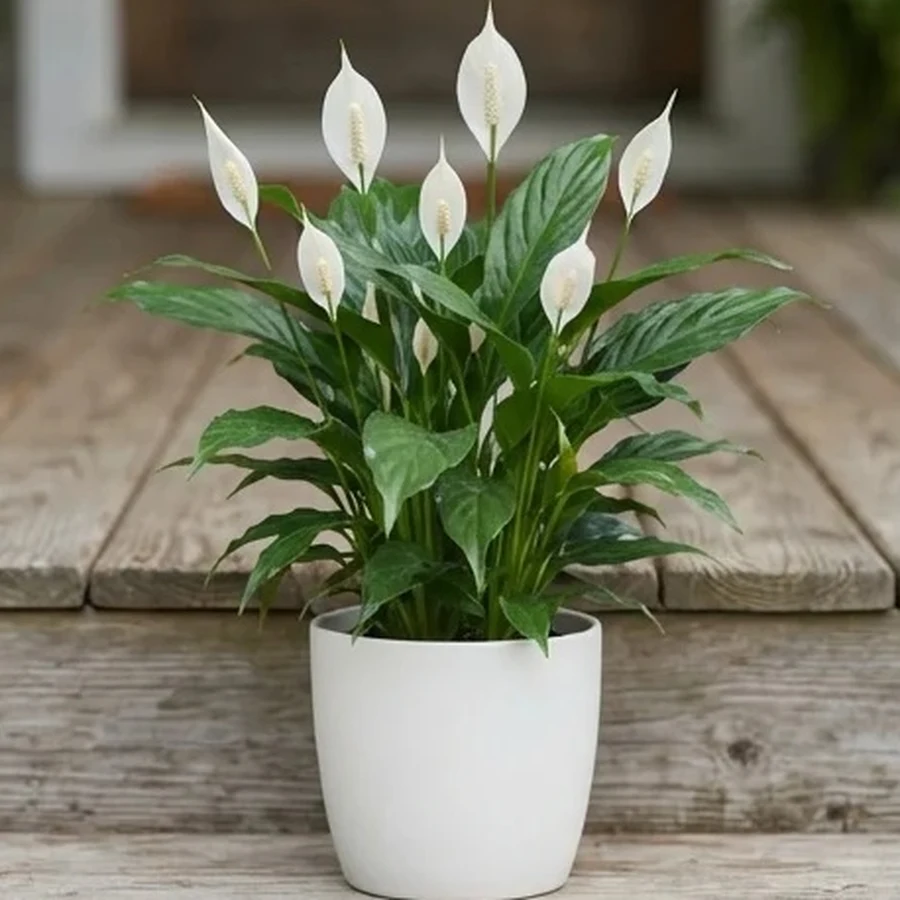
| Peace lily | Years | Easy, tolerates low light | You want a living memorial |
Many families keep a sympathy plant for years and think of the person every time it blooms. Our plants include peace lilies and orchids that suit this purpose.
Etiquette for coworkers
Workplace sympathy has its own considerations. The bereaved coworker may be private, or may want to be treated normally. Some guidelines:
- Coordinate as a team so the person does not receive five separate small arrangements.
- Send to the home if possible, through HR or a manager who has the address.
- If sending to the office, have it arrive on their first day back, not while they are out. Choose something small or a plant.
- Keep the card simple: "Thinking of you. Your team at Bright Path."
- Do not expect a thank-you note, especially quickly.
Sympathy flowers across cultures and faiths
- Christian traditions: flowers to the home are welcome and common.
- Jewish tradition: flowers are generally not sent during shiva. Food, especially a meal for the family, is the custom.
- Muslim families: practices vary. Food and practical help are often more welcome than flowers; a plant is usually acceptable.
- Buddhist, Hindu and Chinese traditions: white and yellow are common; avoid red, which signals celebration.
If you are unsure, it is fine to ask a close friend of the family, or simply choose a plant, which is welcome almost everywhere.
What not to do
- Do not send huge arrangements to a small home.
- Do not send red roses unless you are a spouse or partner. They read as romantic.
- Do not send if the family asked for privacy or for donations instead. Respect the request.
- Do not post photos of the flowers or the family's home online.
- Do not send anonymously. The family will want to know who cared.
- Do not ask the family if they received them. Your florist will confirm delivery.
What to write on the card
Keep the card to one to three sentences. Acknowledge the loss, share one memory or feeling, and offer something specific if you can. Our guide to what to write on a flower card includes sympathy examples, and we write your message by hand for free, up to 200 characters.
- "I am so sorry about your mom. She was the kindest person on our street."
- "Thinking of you this week and every week. I'll call on Sunday."
- "With love and sympathy from all of us at the office."
Following up after the flowers
Flowers are a beginning, not the end. The most comforting thing many grieving people remember is not the bouquet but the person who kept showing up.
- Put a reminder in your calendar for one month and for the first holiday.
- Text without asking for a reply: "Thinking of you today. No need to answer."
- Offer specific help: a meal, a ride, an hour of childcare.
- Remember the anniversary. A small bouquet one year later is rare and deeply felt.
A quick decision checklist
- Did the family ask for donations instead? Donate first.
- Do you know the home address? Send there.
- Only have a work address? Send small, on their first day back.
- Want to honor the person publicly? Send to the service, see funeral flowers.
- Are there cats in the home? Ask for no lilies.
- Has the family received many arrangements? Choose a plant.
How FlowerEase delivers sympathy flowers
We deliver every day from 8 AM to 8 PM across Irvine and nearby Orange County, with same-day delivery when you order by 2 PM. Our driver can call ahead so the family is not surprised at the door. You receive a photo of the arrangement before it leaves our studio, every order comes with a 7-day freshness guarantee and the card is handwritten for free. Delivery is $14.99 and free on orders from $149.
Questions we hear about sympathy flowers
Is it okay to send sympathy flowers to a man?
Yes. Grief has no gender. Choose a plant, white roses or a simple green and white arrangement if you think bright florals would feel out of place.
What if I only found out months later?
Send anyway, with a card that says so: "I only just heard, and I am so sorry." Late sympathy is still sympathy.
Can I send sympathy flowers to a hospital or care home?
Check first. Some units do not allow flowers. A card or a small plant to the family's home is often the better choice.
Should I include a gift with the flowers?
Not needed. If you want to do more, a meal for the family or a donation to a cause the person cared about is usually most helpful.
Send sympathy flowers today
When you are not sure what to do, a modest arrangement sent to the home with a short, honest card is almost always right. Choose from our sympathy flowers, add a note in the delivery instructions if the family needs a quiet drop-off, and we will take care of it gently.
Read next
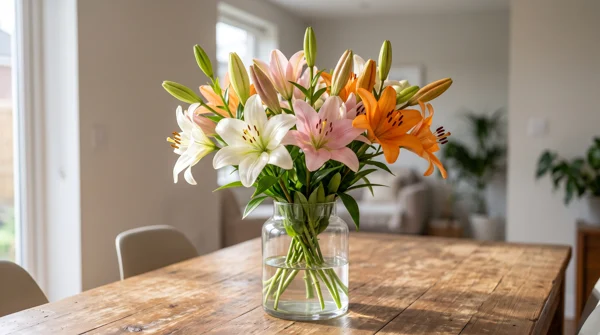
Lily Meaning: What Each Color Says and When to Send Them
What white, pink, red, orange, yellow and purple lilies mean, which occasions suit each color, and how to send lilies without a single etiquette mistake.
Read the article
Winter Flowers in Season: What Florists Have in December and January
Which flowers are actually in season in December and January, what they cost, how long they last and how to choose a winter bouquet that looks its best.
Read the article
Are Lilies Toxic to Cats? What Every Pet Owner Should Know
Lilies are one of the most dangerous flowers for cats. Which lilies are toxic, the warning signs, what to do right away and safer flowers to send instead.
Read the article