Poinsettia Care: How to Keep It Red Through January
The poinsettia is the best selling potted plant in the United States, and almost all of them are sold in a six-week window before Christmas. Many end up dropping their leaves by New Year's Day. It does not have to go that way. A poinsettia from a good grower can easily stay colorful into February with very little effort.
This guide explains what the plant actually needs, why it goes wrong and what to do after the holidays. If you would rather give or receive something with less care, our Christmas flowers collection has fresh arrangements and long-lasting plants.
First, a quick botany lesson
The red "petals" of a poinsettia are not petals. They are modified leaves called bracts. The real flowers are the tiny yellow-green buds in the very center, called cyathia. This matters for two reasons:
- Buying: choose a plant whose tiny center buds are still tight and green or just turning yellow. If they have dropped or are covered in pollen, the plant is past its peak and the bracts will fade sooner.
- Care: the colored bracts last as long as the plant is healthy. Keep the roots and leaves happy and the color stays.
Poinsettias are native to Mexico, where they grow as large shrubs. They were introduced to the US in the 1820s by Joel Roberts Poinsett, the first American minister to Mexico. December 12, the anniversary of his death, is now National Poinsettia Day.
The care basics at a glance
| Need | What it likes | What hurts it |
|---|---|---|
| Light | Bright, indirect light, 6 or more hours a day | Dark corners, harsh afternoon sun on glass |
| Temperature | 60 to 70 degrees during the day, not below 55 at night | Anything under 50 degrees, even for a short time |
| Water | When the top inch of soil is dry, then drain fully | Standing water in a foil sleeve or saucer |
| Air | Calm room air, moderate humidity | Drafts from doors, heaters, fireplaces, AC vents |
| Food | None while it is in bloom | Fertilizer during the holidays |
Light: the brightest window without direct glare
A poinsettia needs light to keep its color and its green leaves. An east-facing window is ideal. A south or west window works if the plant is a little back from the glass or behind a sheer curtain. In a dim room the lower leaves will turn yellow and fall within a couple of weeks.
Do not let leaves touch a cold window. In Southern California winter nights can still drop into the 40s, and glass gets cold enough to damage the bracts where they touch.
Water: the most common mistake
More poinsettias die from too much water than from too little. The roots rot quickly in soggy soil. Here is a routine that works:
- Check the soil daily with your finger. Water only when the top inch feels dry.
- Take the plant to the sink. Remove the decorative sleeve or pot cover first.
- Water slowly until it runs out of the bottom. Use room temperature water.
- Let it drain for 10 minutes. Then put it back in its cover.
- Empty any water that collects later. The pot should never sit in water.
In a warm, heated room you may water every two or three days. In a cool room, once a week may be enough. Lift the pot: a light pot means dry soil, a heavy pot means it can wait.
The foil sleeve problem
Most poinsettias are sold in shiny foil or plastic sleeves. They look festive, but they trap water. The pot sits in a hidden puddle and the roots start to rot within days. Either take the sleeve off, or cut a few holes in the bottom and set the plant on a saucer you can empty.
Temperature and drafts
Poinsettias are tropical plants. They like the same temperatures most people do. The main dangers are sudden changes:
- A front door that opens onto cold evening air.
- A heating vent blowing directly on the plant.
- The top of a television, radiator or fireplace mantel.
- A car left in the parking lot. Even 10 minutes below 50 degrees can damage leaves, so bring the plant straight home.
Leaves damaged by cold may look fine for a day, then wilt, darken and drop. If your plant suddenly loses many leaves, cold is the most likely cause.
Why poinsettia leaves fall off
Leaf drop is the number one complaint. Here is how to read the symptoms:
| Symptom | Likely cause | Fix |
|---|---|---|
| Green leaves drop suddenly | Cold air or a draft | Move away from doors and windows |
| Lower leaves turn yellow, then drop | Overwatering or too little light | Let soil dry, move to a brighter spot |
| Whole plant wilts, soil is wet | Root rot from standing water | Remove the sleeve, drain, water less |
| Whole plant wilts, soil is dry | Underwatering | Water thoroughly at the sink |
| Brown, crispy bract edges | Dry heat or low humidity | Move away from heaters, group with other plants |
A wilted plant from dry soil often recovers within hours of watering. Root rot is harder to fix, so prevention matters.
Are poinsettias poisonous?
Poinsettias have a scary reputation, but it is mostly exaggerated. The milky sap can irritate the mouth and stomach of cats and dogs, causing drooling or mild vomiting, and it can irritate sensitive human skin. Serious poisoning is very unlikely. Still, it is wise to keep the plant out of reach of pets and small children. If you are choosing holiday flowers for a home with animals, we cover the details in our guide to pet-safe Christmas flowers and in pet-safe flowers for cats.
How to keep it red through January and beyond
With good care, a healthy poinsettia keeps its bracts for two to three months. These small habits add weeks:
- Keep it in the same spot once it is happy. Poinsettias dislike being moved around.
- Rotate the pot a quarter turn every few days so it grows evenly.
- Remove any yellow leaves so they do not rot on the soil surface.
- Do not fertilize while the plant is in color.
- Keep it slightly cooler at night, around 60 to 65 degrees, which slows aging.
After the holidays: keep it or compost it?
You have three honest options.
- Enjoy it until it fades, then compost it. This is what most people do, and it is perfectly fine.
- Keep it as a green houseplant. In March or April, cut the stems back to about 6 inches. Water normally and feed monthly with a houseplant fertilizer. It becomes a bushy green plant.
- Plant it outside. In frost-free coastal areas of Southern California, including much of Orange County, poinsettias can grow outdoors in a sunny, sheltered spot after the last cold nights. They can become large shrubs over a few years.
Can you make it turn red again next year?
Yes, but it takes discipline. Poinsettias color up in response to long nights. Starting around October 1, the plant needs about 14 hours of complete darkness every night for 8 to 10 weeks, for example inside a closet or under a box from 5 p.m. to 8 a.m., plus bright light during the day. Even a lamp switched on for a few minutes at night can interrupt the process. It is a fun project, but most people find it easier to buy a fresh plant each year.
Poinsettia or fresh flowers?
A poinsettia is affordable and lasts for weeks, but it is also the gift almost everyone already has in December. Fresh arrangements feel more personal. If you want something with holiday color but easier care, consider:
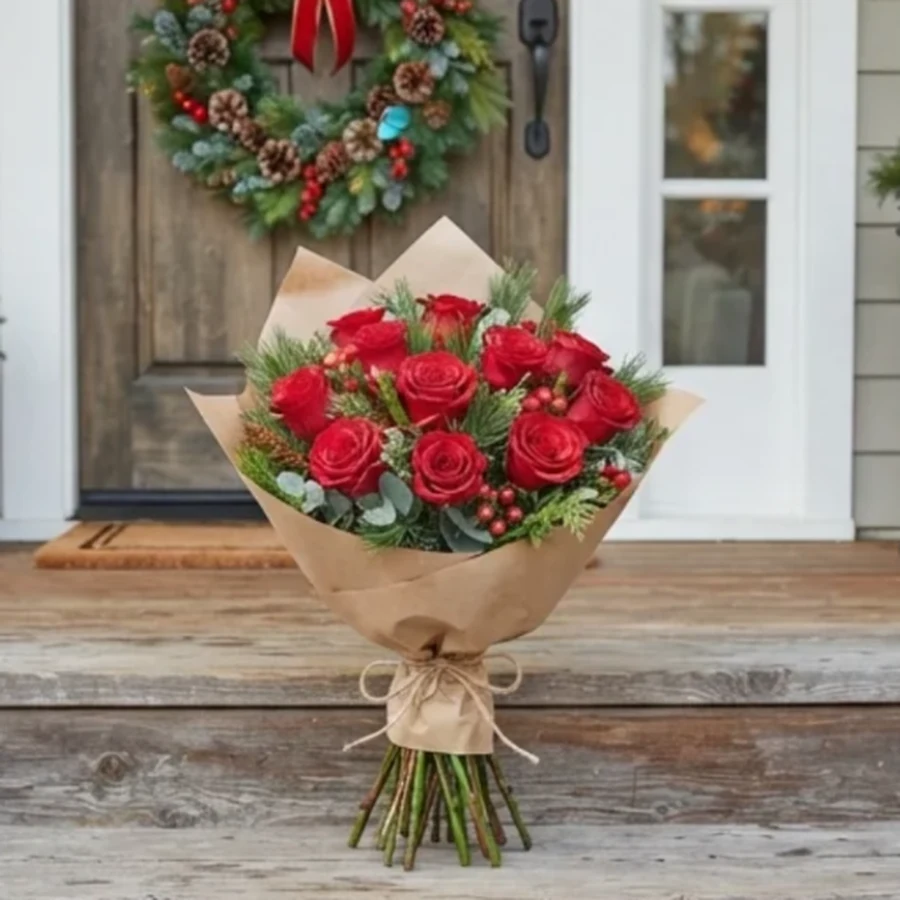
- The Red Rose and Pine Christmas Bouquet, from $119.
- The Red Amaryllis Holiday Bouquet, from $99.
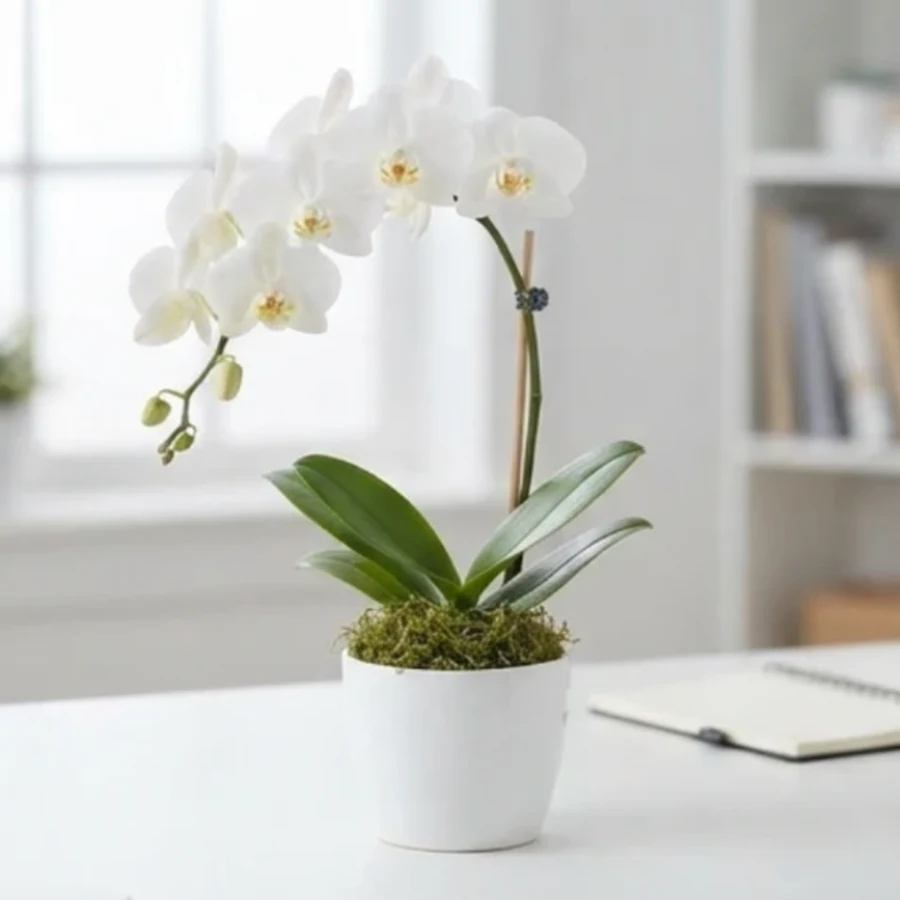
- A White Orchid Plant, 1 Stem, from $79, which needs water only about once a week. Our orchid care myths post explains why.
For many more options, see our full Christmas flowers selection.
How to choose a healthy poinsettia
Good care starts at the store. A plant that was stressed before you bought it will drop leaves no matter what you do. Look for these signs:
- Dense green leaves all the way down the stems. Bare lower stems mean the plant has already lost leaves.
- Tight, green or yellow buds in the center. Pollen or missing buds mean it is past its peak.
- Bracts fully colored, with no green edges and no brown spots.
- A plant about two and a half times as tall as the pot is wide. That is a sign of balanced growth.
- No wilting and no soggy soil when you lift the pot.
Avoid plants displayed outside a store in the cold, next to automatic doors or packed tightly in plastic sleeves for days. On the way home, keep the plant covered and in the car with you, not in a cold trunk.
Beyond red
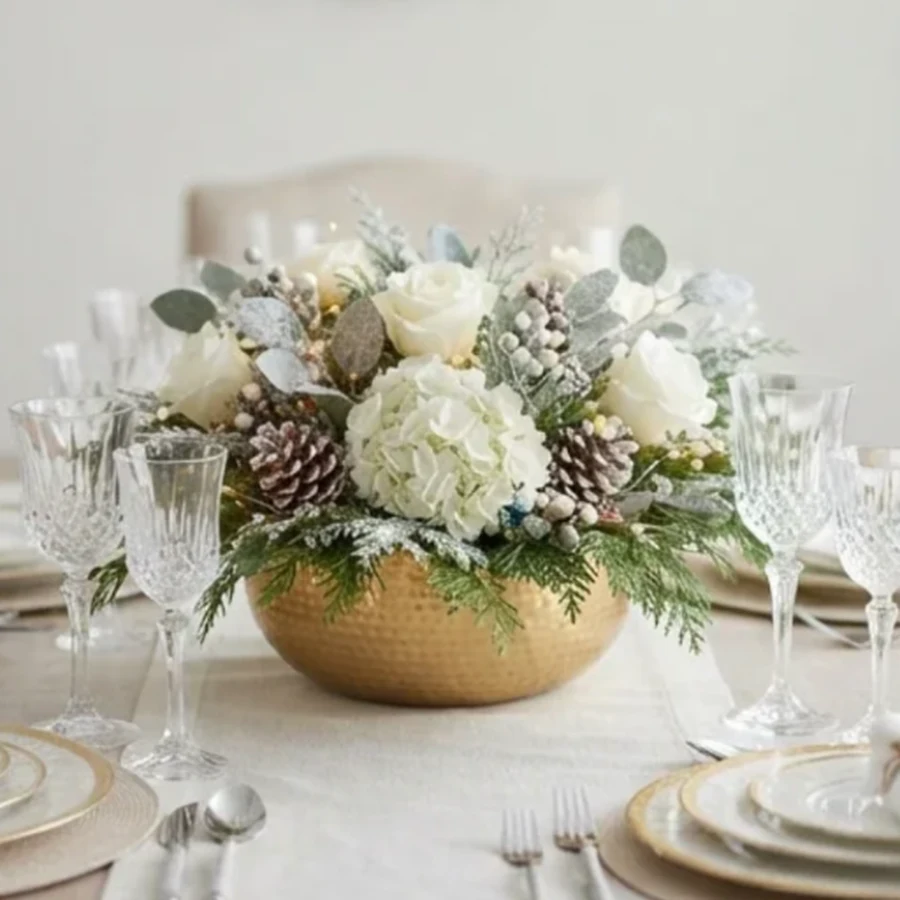
Poinsettias also come in white, cream, pink, salmon, burgundy and marbled or speckled varieties. The care is exactly the same. White and cream poinsettias pair well with an all-white holiday table and look calm next to fresh winter flowers. If you would like fresh flowers in the same palette, the white and red designs in our Christmas flowers collection sit nicely beside a potted poinsettia.
Poinsettia care FAQ
How often should I water a poinsettia?
Only when the top inch of soil feels dry, usually every two to seven days depending on room temperature. Always let extra water drain away.
Why is my poinsettia dropping leaves?
Most often because of cold drafts or wet roots. Move it away from doors and windows, take it out of its foil sleeve and let the soil dry slightly between waterings.
How long does a poinsettia last?
With good care, the colored bracts last two to three months. The plant itself can live for years.
Can poinsettias stay outside in Southern California?
In frost-free coastal areas they can grow outdoors in a sunny, sheltered spot, but keep holiday plants indoors until nights stay above about 50 degrees.
The short version
- Bright indirect light, at least six hours a day.
- 60 to 70 degrees, no drafts, no cold glass.
- Water when the top inch is dry, and never let it sit in water.
- Remove or puncture the foil sleeve.
- No fertilizer while it is red.
Want holiday color without the watering schedule? Choose a fresh arrangement from our Christmas flowers collection, delivered with a free handwritten card and a 7-day freshness guarantee.
Read next
What to Write on Christmas Flowers: 60 Card Messages
Sixty Christmas card messages to send with flowers, sorted by recipient, plus simple rules for tone, length and inclusive holiday wishes.
Read the article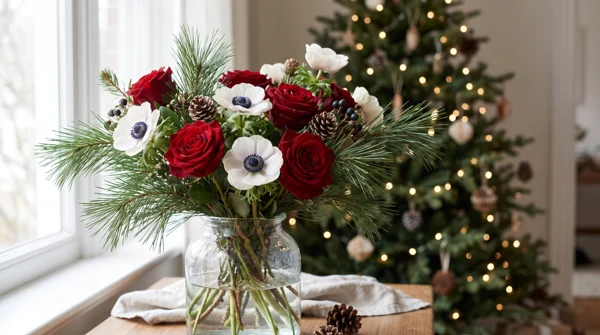
Christmas Flower Ideas: 25 Bouquets and Arrangements Beyond Poinsettias
Tired of poinsettias? 25 Christmas flower ideas, from classic red and green to all-white winter and modern plants, with prices and who each suits.
Read the article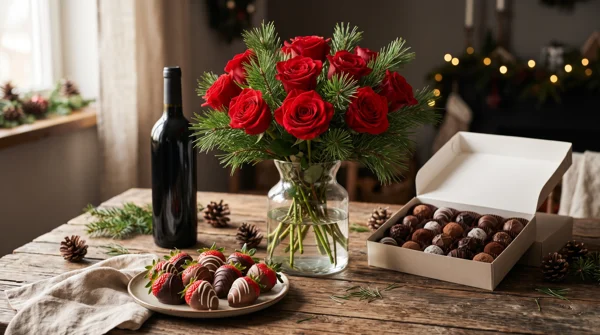
Holiday Gift Guide: Flowers Plus Chocolates, Wine and Treats
The best flower and gift combinations for the holidays: chocolates, strawberries, wine and treats, with prices by recipient and how to time delivery.
Read the article