How to Care for Hydrangeas in a Vase
Hydrangeas are generous flowers. Three stems fill a vase, and their soft, cloud-like heads make any room feel calmer. They also have a reputation for wilting quickly, which scares some people off. That reputation is only half true. Hydrangeas are thirsty, but once you understand how they drink, keeping them fresh is easy. This guide is a practical, day-by-day routine for hydrangeas in a vase. If you want to know what each color means, our guide to hydrangea meaning by color covers that. If you have a hydrangea that has already collapsed, see how to revive a wilted hydrangea.
Why hydrangeas wilt so fast
Understanding the problem makes the solution obvious. Hydrangeas wilt quickly for three reasons:
- Huge surface area. Each head is made of dozens of small florets, and all of them lose moisture to the air.
- Woody stems. Hydrangea stems are firm and woody, which makes it harder for water to travel up quickly.
- Sap. Cut stems release a sticky sap that can seal the end and block water.
The care routine below solves all three: help water get in, keep it from escaping and keep the stem open.
Day one: setting up your hydrangeas
- Prepare the vase first. Choose a wide-mouth vase that supports the heads. Wash it with soap and hot water and fill it with cool water. Add flower food if you have it.
- Remove leaves. Strip all leaves below the waterline and most of the leaves along the stem. Leaves pull water away from the bloom.
- Cut at a sharp angle. Trim 1 to 2 inches off each stem at about 45 degrees. A sharp knife or pruners work better than scissors.
- Split the stem. Make a vertical cut about 1 inch up the bottom of each stem. This increases the surface that can absorb water.
- Optional: dip in alum or boiling water. Florists sometimes dip cut ends in powdered alum or in boiling water for 30 seconds to stop sap from sealing the stem.
- Place in water right away. Every second out of water matters. Get the stems in the vase within a minute of cutting.
- Mist the heads. A light mist of cool water over the blooms helps them recover from transport.
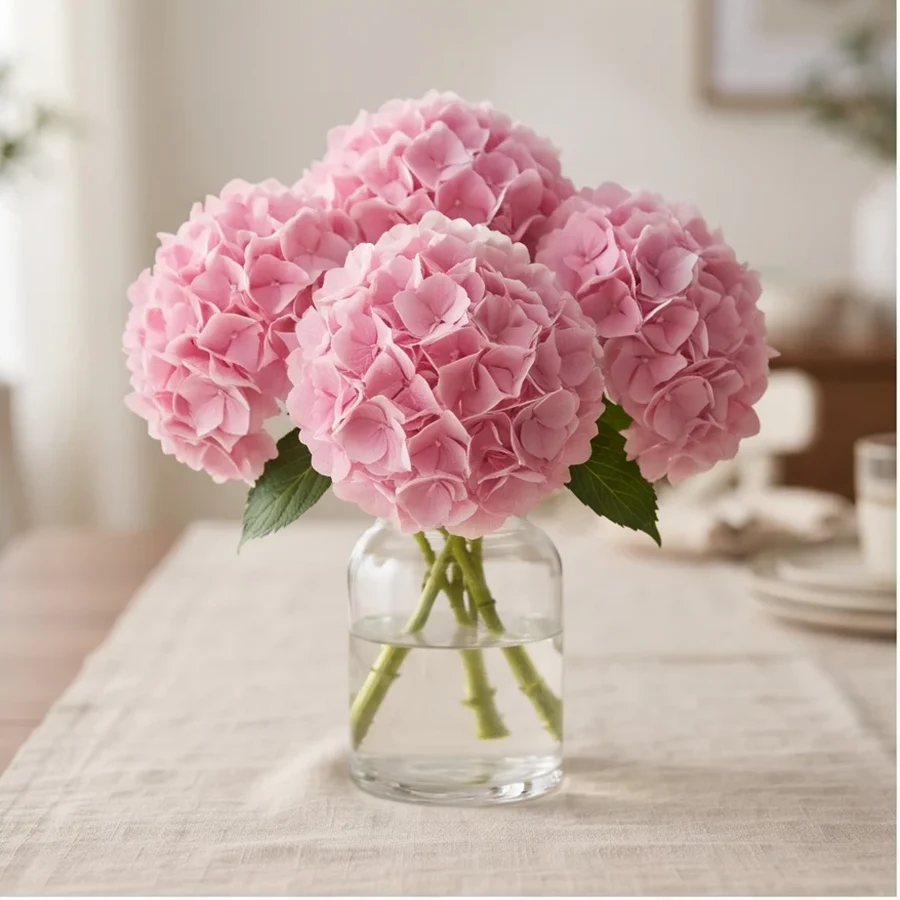
Daily hydrangea care routine
| Task | How often | Why it matters |
|---|---|---|
| Check water level | Morning and evening | Hydrangeas can drink half a vase in a day |
| Mist blooms | Once or twice a day | Florets absorb water through their surface |
| Change water | Every 1 to 2 days | Prevents bacteria and keeps water cool |
| Recut stems | Every 2 days | Removes sap and opens fresh tissue |
| Wash vase | Every 3 to 4 days | Removes slimy film that harbors bacteria |
The best spot for hydrangeas
Placement can add or subtract several days of vase life.
- Choose cool, bright and indirect. A spot that gets natural light but no direct sun is perfect.
- Avoid heat. Heaters, fireplaces, ovens and sunny windows dry the florets fast.
- Avoid drafts. Air conditioning vents and ceiling fans pull moisture from petals.
- Keep away from fruit. Ethylene gas from ripening fruit speeds aging.
- Move them at night. If your home is warm, moving the vase to a cooler room overnight can add a day or two.
In Orange County, late fall afternoons can still be warm, and many homes run heaters at night. If your hydrangeas are on a Thanksgiving table on November 26, keep them away from the kitchen until guests arrive, and set them in place just before dinner.
Misting: why it works
Hydrangeas are unusual: their florets can absorb water through their surface. That is why misting helps more than it does for most flowers. Use a fine spray bottle with cool water and mist the heads lightly from about a foot away. You want a fine dew, not dripping water. Avoid misting if the arrangement sits on wood furniture without a mat, and wipe up any drops.
How to revive a wilting hydrangea
If a head starts to droop, do not throw it away. Try these methods in order:
Method 1: fresh cut and cool water
- Recut the stem at an angle, removing at least 1 inch.
- Split the bottom again.
- Return to fresh, cool water and mist heavily.
- Check in 2 to 4 hours.
Method 2: hot water
- Recut the stem.
- Stand it in a cup of very hot (not boiling) water for about an hour. Heat helps clear blocked stems.
- Move it back to a vase of cool water.
Method 3: full submersion
- Fill a sink or tub with cool water.
- Recut the stem and lay the entire hydrangea, head and all, under water.
- Leave it for 30 to 60 minutes, sometimes up to a few hours.
- Shake gently and return it to a vase.
Most hydrangeas recover with one of these methods. If the florets feel papery and brown at the edges, the bloom has reached the end of its fresh life, but it can still be dried.
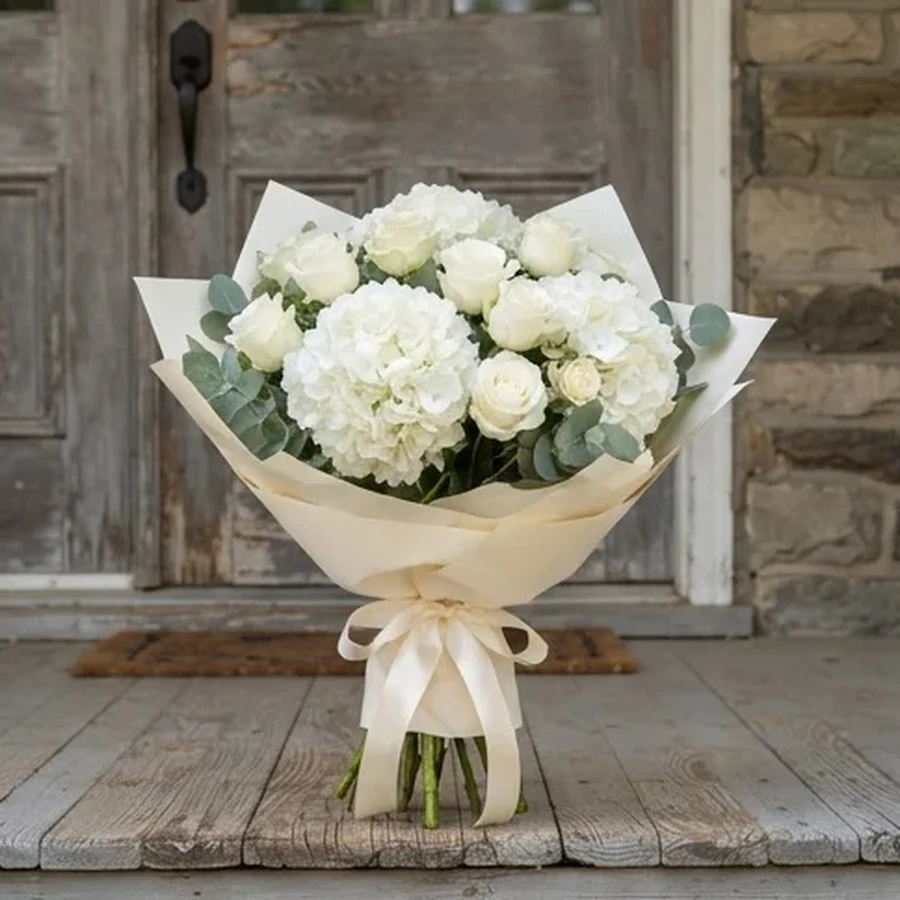
Hydrangea care mistakes to avoid
- Using a narrow vase. Heads tip and stems bend, which blocks water flow.
- Letting the water drop low. Even a few hours with the stem tips out of water can cause wilting.
- Leaving all the leaves on. Leaves compete with the bloom for water.
- Cutting with dull scissors. Crushed stems absorb water poorly.
- Placing near a sunny window. The most common cause of crispy edges.
- Forgetting the mister. A few sprays a day make a visible difference.
How long do cut hydrangeas last?
| Care level | Typical vase life |
|---|---|
| No care after day one | 2 to 4 days |
| Water topped up, no misting | 4 to 6 days |
| Full routine (water, misting, recutting, cool spot) | 7 to 9 days, sometimes more |
| Dried at the end | Months as a keepsake |
Every FlowerEase arrangement comes with a 7-day freshness guarantee. If your hydrangeas do not last, contact us and we will make it right.
Drying hydrangeas after their fresh life
When the blooms start to feel slightly papery, you can dry them for a long-lasting decoration:
- Remove all remaining leaves.
- Leave the stems in about 1 to 2 inches of water.
- Let the water evaporate slowly over 1 to 2 weeks in a dry room out of direct sun.
- The heads will dry in soft, vintage tones of blue, green, mauve or cream.
Dried hydrangeas look lovely in a wreath, a bowl or a bud vase, and many people keep them from a wedding or anniversary bouquet.
Ordering hydrangeas that last
A long vase life starts with how the flowers are grown, shipped and prepared. At FlowerEase, we:
- Choose firm, fully hydrated heads with no brown edges.
- Recondition stems in our Irvine studio before designing.
- Deliver in water or with hydration on the stems.
- Send you a photo of the actual arrangement before it leaves.
Hydrangea prices at FlowerEase
| Option | Price range |
|---|---|
| Small hydrangea bouquet, 3 stems | $59 to $69 |
| Hydrangeas in a vase, 5 to 7 stems | $89 to $139 |
| Hydrangea and rose arrangement | $99 to $179 |
| Luxury hydrangea box or basket | $200 and up |
Delivery is $14.99, free from $149, and every order includes a free handwritten card up to 200 characters.
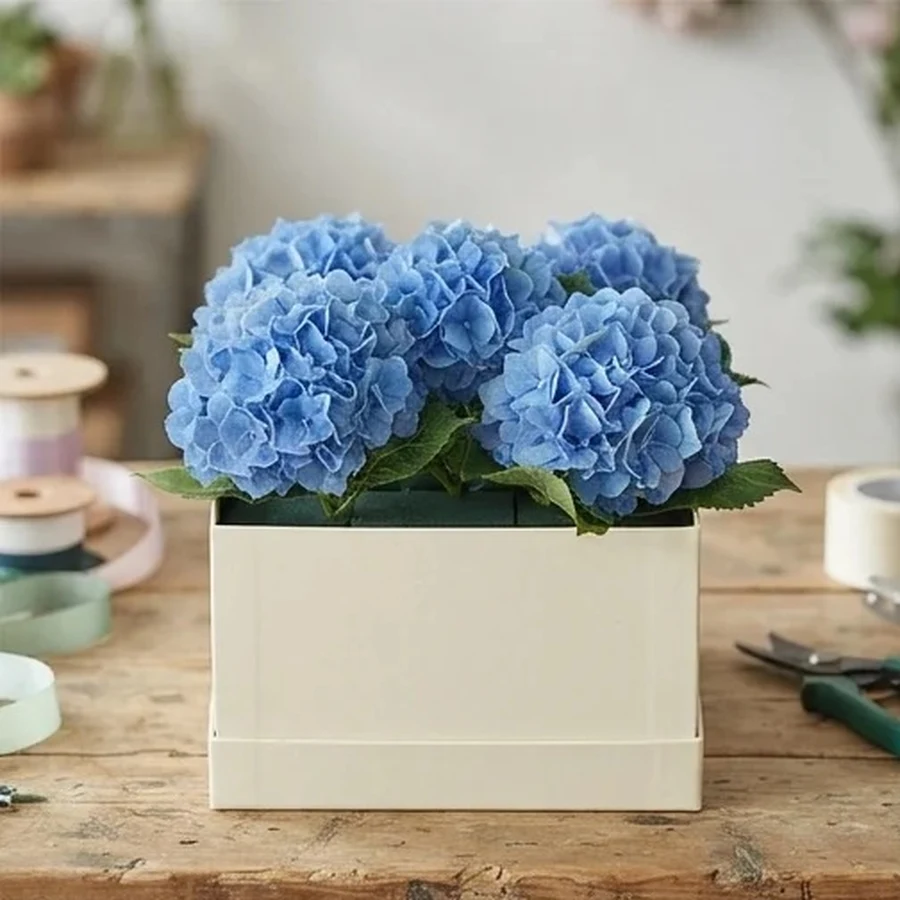
Hydrangeas in a box or foam
If your hydrangeas arrive in a box or basket with floral foam, the routine is slightly different. You cannot recut stems, so focus on keeping the foam moist. Pour cool water slowly onto the foam every day until it is saturated, and mist the blooms. Avoid letting the foam dry out even once; dry foam is very hard to rehydrate.
Hydrangea care in different seasons
The routine stays the same all year, but the emphasis shifts with the weather.
- Warm months: check water twice a day and mist more often. Consider moving the vase to the coolest room in the house during the afternoon.
- Fall: afternoons can still be warm, and evenings bring heaters. Keep hydrangeas away from heat vents and fireplaces, and mist in the evening as well as the morning.
- Winter holidays: indoor heating dries the air. Daily misting matters most now. Keep holiday centerpieces away from candles and radiators.
- Spring: fresh hydrangeas arrive with very full heads. Give them a long first drink before arranging.
A simple hydrangea care kit
You do not need special equipment, but a few tools make the routine easier:
- A sharp knife or garden pruners for clean, angled cuts.
- A fine-mist spray bottle kept next to the vase.
- A wide-mouth glass or ceramic vase that holds at least a quart of water.
- Flower food packets, or sugar, lemon juice and a drop of bleach.
- A sink or basin large enough to submerge a whole head if it needs reviving.
Keep the spray bottle within reach and the routine becomes a 30-second habit each morning. That habit is the difference between hydrangeas that last three days and hydrangeas that last more than a week.
Frequently asked questions
Why do hydrangea edges turn brown?
Brown, crispy edges usually mean the florets lost moisture faster than the stem could replace it. Direct sun, heaters and skipped misting are the usual causes. Move the vase somewhere cooler, mist twice a day and recut the stems.
Should hydrangeas be in cold or warm water?
Cool water for everyday care. Hot water is only for reviving a wilted stem, then move it back to cool water.
Can I put hydrangeas in the fridge?
Overnight in a fruit-free fridge can help in warm weather, but a cool room usually works just as well.
Are hydrangeas safe for pets?
Hydrangeas can cause stomach upset if chewed by cats or dogs, so keep them out of reach. See pet-safe flowers for cats for alternatives.
Can I order hydrangeas for same-day delivery?
Yes. Order by 2 PM for same-day delivery in Irvine and nearby Orange County cities, with windows from 8 AM to 8 PM every day.
Order fresh hydrangeas
With a little water and a daily mist, hydrangeas will fill your home with soft color all week. Browse our hydrangea collection for bouquets, vase arrangements and boxes, or add them to a centerpiece from our Thanksgiving flowers. Order by 2 PM for same-day delivery across Irvine and Orange County.
Read next
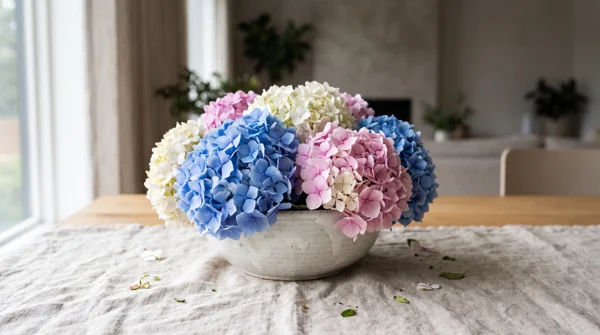
Hydrangea Meaning by Color: Blue, Pink, White, Purple and Green
Blue hydrangeas mean understanding, pink means heartfelt emotion, white means grace. What each hydrangea color says and when to send them.
Read the article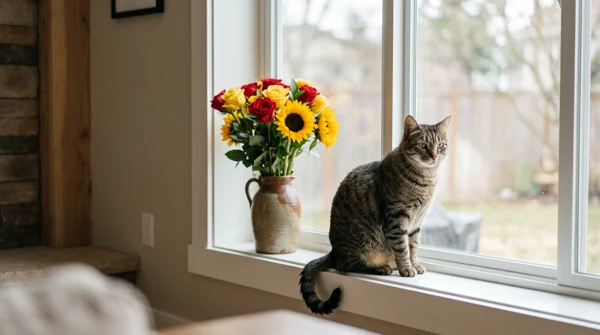
Are Lilies Toxic to Cats? What Every Pet Owner Should Know
Lilies are one of the most dangerous flowers for cats. Which lilies are toxic, the warning signs, what to do right away and safer flowers to send instead.
Read the article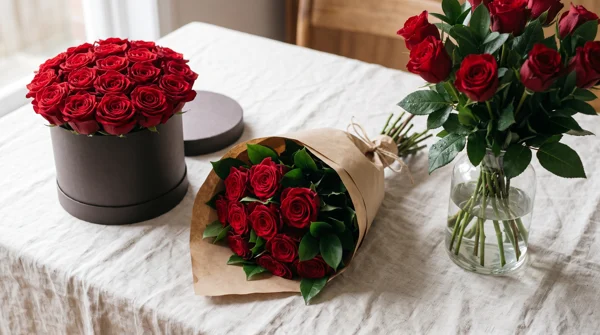
Flower Box vs Bouquet vs Vase Arrangement: A Florist's Comparison
Three formats, three different gifts. Compare flower boxes, bouquets and vase arrangements on price, care, lifespan and the occasions they suit best.
Read the article